If you’re considering osteopathic treatment for the first time, it’s natural to have questions. What happens during an appointment? Is it painful? Can it help with your condition? Osteopathy is a hands-on approach to healthcare that focuses on improving the way your body moves and functions.
Rather than simply treating symptoms, osteopaths aim to identify and address the underlying causes of pain and discomfort, helping your body heal naturally. In this guide, we’ll explain exactly what osteopathic treatment involves, the conditions it can help with, and what you can expect during your first appointment.
What is osteopathic treatment?
Osteopathic treatment is a form of manual therapy that assesses, diagnoses, and treats problems affecting the muscles, joints, ligaments, tendons, nerves, and connective tissues throughout the body. Osteopaths understand that every part of the body works together. A problem in one area – such as poor posture, muscle imbalance, or restricted joint movement – can place strain on other parts of the body, leading to pain and reduced mobility.
Treatment is designed to restore balance, improve movement, reduce pain, and support the body’s natural ability to recover. Unlike treatments that focus solely on the site of pain, osteopaths consider your overall health, lifestyle, occupation, exercise habits, and medical history to develop an individual treatment plan.
What conditions can osteopathic treatment help with?
Osteopathic treatment is commonly used to help manage a wide range of musculoskeletal conditions, including:
- Back pain
- Neck pain
- Shoulder pain
- Hip pain
- Knee pain
- Sciatica
- Tennis elbow
- Golfer’s elbow
- Joint stiffness
- Sports injuries
- Muscle strains
- Tendon problems
- Headaches caused by neck tension
- Postural problems
- Arthritis-related stiffness
Many people also seek osteopathic treatment after injuries, surgery, or long periods of inactivity to improve mobility and regain function.
What osteopathic treatments are available?
Articulation & joint manipulation
This involves a passive movement of the skeletal joint with the intention of achieving a therapeutic effect. Articulation is usually carried out at slow to moderate intensity and within a short range of movement; this is to allow the body’s natural lubrication system, synovial fluid, to lubricate the area and help increase the range of movement or reduce pain or both.
Massage to improve tissue health
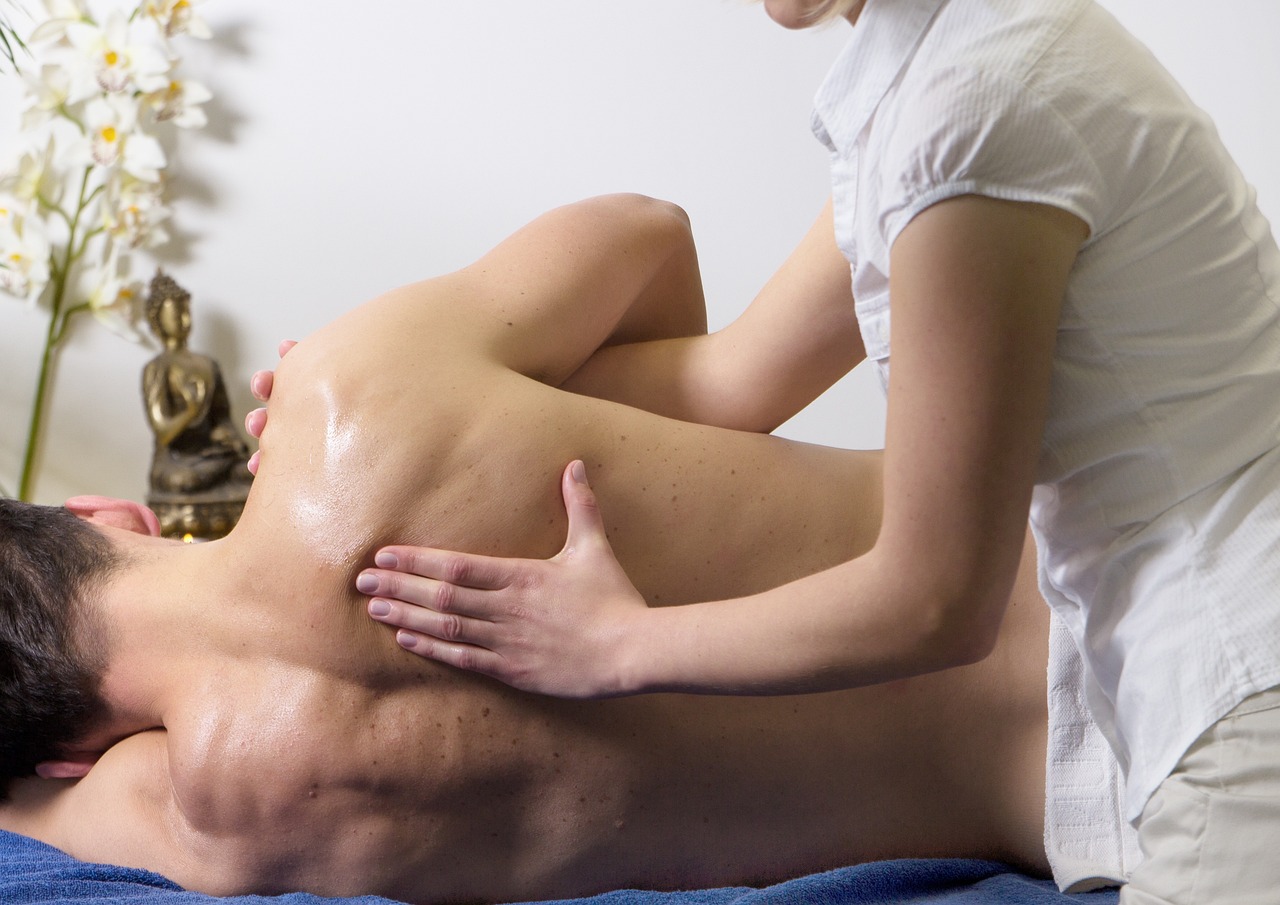
Massage can be beneficial for both pain relief and helping with flexibility and range of motion. It can do this by relaxing the muscles, which can reduce nerve compression and, as a result, reduce pain. The increased stimulation of the area can also lead to improved circulation thanks to the increased blood flow, allowing more oxygen and nutrients to the area, which can have a positive effect on inflammation.
Stretching to restore tissue structure
Have you ever been sitting still for a long period of time and then had a good old stretch and felt good? Well, that’s because stretching helps to reduce muscular tension, improve circulation and increase the range of motion in the joints. In a similar fashion, a regular session of stretching can help with long-term skeletomuscular issues. Osteopathy can be used to help treat a range of health issues, including but not limited to back pain and sciatica. Sports-related injuries, such as tennis elbow and even conditions relating to the digestion and postural problems.
What happens during your first osteopathic appointment?
Your first appointment usually lasts between 45–60 minutes and includes a thorough assessment before treatment begins.
1. Medical history
Your osteopath will ask questions about:
- Your current symptoms
- When the pain started
- Previous injuries
- Medical conditions
- Medications
- Lifestyle
- Work activities
- Exercise routine
- Sleep patterns
Understanding the full picture helps identify contributing factors rather than simply treating where it hurts.
2. Physical Examination
You’ll then undergo a physical assessment, which may include:
- Observing your posture
- Assessing how you walk
- Testing your range of movement
- Examining muscle strength
- Checking joint mobility
- Gentle palpation (feeling muscles and joints)
Your osteopath will explain what they’re looking for throughout the assessment.
3. Diagnosis
Using the information gathered, your osteopath will explain:
- What is causing your symptoms
- Which structures are involved
- Why the problem has developed
- How osteopathic treatment may help
You’ll also have the opportunity to ask questions before treatment begins.
Does osteopathic treatment hurt?
Most osteopathic treatment is gentle and comfortable. Some techniques involve stretching tight muscles or mobilising stiff joints, which may cause mild discomfort, but treatment should never be excessively painful. It’s common to experience:
- Mild soreness
- Temporary stiffness
- Muscle tenderness
These effects usually settle within 24-48 hours, much like after exercise. Your osteopath will always adjust treatment according to your comfort level.
How many treatments will I need?
The number of treatments varies depending on:
- Your condition
- How long you’ve had symptoms
- Your age
- Your overall health
- Your activity levels
- Your response to treatment
Acute injuries may improve within a few sessions, while longstanding or complex conditions often require a longer course of treatment. Your osteopath will discuss an estimated treatment plan after your assessment and review your progress regularly.
How osteopathy can help beyond pain relief
Many patients initially seek osteopathic treatment because they’re in pain. However, treatment often offers wider benefits, including:
- Improved mobility
- Better posture
- Reduced muscle tension
- Increased flexibility
- Easier movement
- Enhanced sporting performance
- Improved recovery after injury
- Greater confidence in daily activities
By improving how the body moves and functions, osteopathy can help people stay active and reduce the likelihood of recurring problems.
How to get the most from your osteopathy treatment
To maximise the benefits of osteopathic treatment:
- Follow your prescribed exercises.
- Stay active within your comfort level.
- Maintain good posture when sitting and standing.
- Stay hydrated after treatment.
- Avoid prolonged periods in one position.
- Attend follow-up appointments if recommended.
- Tell your osteopath if your symptoms change.
Small lifestyle changes, combined with hands-on treatment, often produce the best long-term results.
FAQs about osteopathic treatment
Do I need a referral to see an osteopath?
In most cases, no. You can book directly with an osteopath without a referral.
Should I wear specific clothing?
Wear comfortable clothing that allows you to move easily. Depending on the area being examined, your osteopath may ask you to remove some outer clothing while ensuring your privacy and comfort are maintained.
Will I receive exercises to do at home?
Often, yes. Home exercises and self-management advice are commonly recommended to support your recovery and help prevent symptoms from returning.
Is osteopathy suitable for everyone?
Osteopathy can benefit many people, but it isn’t appropriate for every condition or every individual. Your osteopath will assess whether treatment is suitable for you and, if necessary, recommend an alternative course of care.
If you’re struggling with pain in your back or a sports-related injury and you’re based in the West Midlands area, get in touch with us today and pay a visit to the Central Chiropractic Clinic. We will assess your condition and formulate a treatment plan based on your individual needs.