Arm Pain Coventry & Birmingham
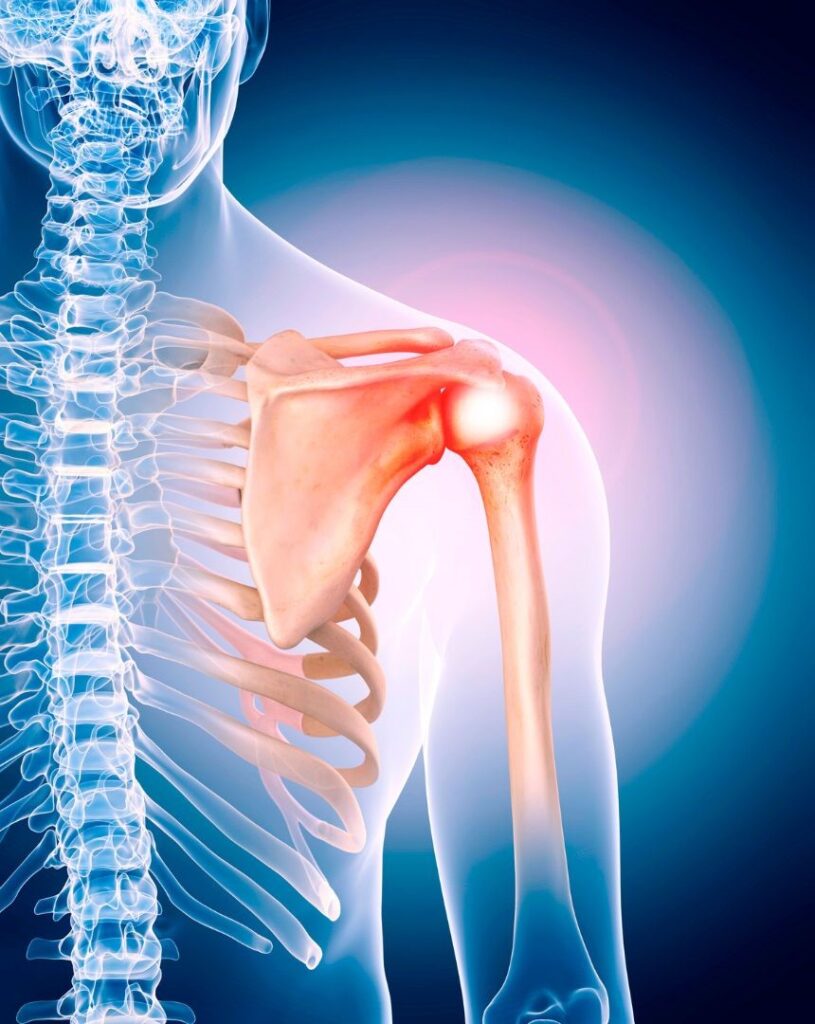
Because the upper arm has plenty of muscles, it's harder to injure it. However, one condition causing upper arm pain is bicipital tendonitis, involving a torn or frayed tendon near the shoulder. This triggers pain in the upper arm biceps. Lifting heavy weights can cause upper arm pain because it inflames shoulder tendons. Other causes of upper arm pain may include diabetes, a chemical burn, heartburn, brachial plexus injury, peripheral neuropathy or upper arm injury.
Fractures of Bones in the Forearm
The bones of the forearm are the radius and the ulna. If you hold your arm naturally by your side, the ulna is the bone closer to you and the radius is farther away.
Fractures of the forearm can occur near the wrist at the farthest (distal) end of the bone, in the middle of the forearm, or near the elbow at the top (proximal) end of the bone.
A child's bones are also subject to a unique type of arm pain, called a growth plate fracture. Growth plates are made of cartilage near the ends of children's bones. They help determine the length and shape of the mature bone.
Fractures of Both Bones in the Forearm
Fractures in a child's bones begin to heal much more quickly than an adult's bones. If you suspect a fracture, you should obtain prompt medical attention for the child so that the bones can be set for proper healing.
- Torus fracture. This is also called a "buckle" fracture. The topmost layer of bone on one side of the bone is compressed, causing the other side to bend away from the growth plate. This is a stable fracture and the broken pieces of bone have not separated apart (displaced).
- Metaphyseal fracture. The fracture is across the upper, or lower, portion of the shaft of the bone and does not affect the growth plate.
- Greenstick fracture. The fracture extends through a portion of the bone, causing it to bend on the other side.
- Galeazzi fracture. The injury affects both bones of the forearm. There is usually a displaced fracture in the radius and a dislocation of the ulna at the wrist, where the radius and ulna come together.
- Monteggia fracture. The injury affects both bones of the forearm. There is usually a fracture in the ulna and the top (head) of the radius is dislocated. This is a very severe injury and requires urgent care.
- Growth plate fracture. Also called a physeal fracture, this fracture occurs at or across the growth plate. Usually these fractures affect the growth plate of the radius near the wrist.
Symptoms
In most cases, a broken forearm causes severe arm pain to the forearm and hand may also feel numb.
Examination & Signs
- Any type of deformity about the elbow, forearm, or wrist
- Tenderness
- Swelling
- An inability to rotate or turn the forearm
A doctor will also test to make sure that the nerves and circulation in your child's hand and fingers have not been affected.
Investigation & Tests
The hand, wrist, arm, and elbow can all be injured during a fall on an outstretched arm. To determine exactly what injuries have occurred, a doctor will probably want to see x-rays of the elbow and wrist, as well as the forearm.
Tennis Elbow Chiropractic Treatment & Physiotherapy Coventry, Warwickshire
Tennis elbow, or lateral epicondylitis, takes its name from a common injury that originally appeared in a high proportion of tennis players. However this condition manifests in a vast proportion of people who never play tennis at all. Lateral epicondylitis is a painful condition involving the tendons that attach or anchor muscles to the bone on the outside (lateral) part of the elbow. The muscle involved in this condition, the extensor carpi radialis brevis, helps to extend and stabilize the wrist. With lateral epicondylitis, there is degeneration or deformity of the collagen of the tendon's attachment, weakening the anchor site and placing greater stress on the area. This can then lead to pain associated with activities in which this muscle is involved, such as lifting, gripping, and/or grasping. The majority of people who suffer from tennis elbow are between 30 and 60 years old although condition can affect much younger athletes as well. Both men and women are also equally affected.
Causes of Tennis Elbow
Tennis elbow may occur as a result of repeated extension or overuse of the wrist against resistance such example is using a hammer in the work place and from sporting activities such as tennis, badminton, squash and cricket. Tennis elbow is equally likely to appear in work related activities such as brick laying, carpentry and from the excessive typing on a computer keyboard.
A poor grip or backhand technique with a tennis racquet can be a primary cause and commonly seen in an athlete who miss times or arrives 'late' for a backhand this means they cannot get their body fully behind the ball. And therefore the wrist has to compensate and in doing so injuries are caused to muscles and tendons which provide this movement. In addition the wrist needs to be firm and not bent when the ball is struck so the forces can be spread over the arm, shoulder and the body. A small racquet grip will mean the muscles in the elbow must work a harder leading to structural changes in the tendon.
Another possible cause of tennis elbow is direct trauma to the elbow which may result in swelling of the tendon that can lead to degeneration. A sudden extreme action, force, or activity could also injure the tendon.
Two Commonly Seen Types of Onset
- Sudden Onset: Sudden onset of tennis elbow occurs in a single instance of forced exertion such as a late back hand where the extensors of the wrist become strained. This is thought to correspond to micro-tearing of the tendon.
- Late Onset (most common): This normally takes place within 24-72 hours after an intensive overuse of untrained wrist extension. Examples may be a tennis player using a new racket or even a person who's spent a weekend doing DIY.
Symptoms of tennis elbow / lateral epicondylitis
Severe burning pain from about 1-2 cm down from bony area at the outside of the elbow (lateral epicondyle) - Weakness in the wrist associated with pain on the outside of the elbow or radiating into the forearm which causes difficulty when performing simple tasks such as opening the door handles or using a screwdriver. Lifting even very light objects (such as a small book or a cup of coffee) can lead to significant discomfort.
- Pain on the outside of the elbow when the hand is bent back (extended) at the wrist against resistance.
- Pain on the outside of the elbow when trying to straighten the fingers against resistance.
- Pain when pressing just below the lateral bony prominence (epicondyle) on the outside of the elbow.
Non surgical treatment of Tennis elbow
Tennis elbow treatment involves treatment not only in the elbow area but also treatment of possible pathologies in the neck or shoulder. Each individual will react differently to different treatments. Below are examples only- we always recommend seeing a qualified therapist before attempting any rehabilitation.
- Ice or cold therapy to the elbow (15 min's on up to six times a day). This will help reduce pain and inflammation if present.
- Cold laser therapy (See conditions treated for Cold Laser Therapy) is shown to be extremely effective in settling down the inflammation and promoting healing of the soft tissues.
- Rest - an extremely important component in the healing of this injury.
- A brace or support will help to protect the tendon whilst healing and will provide strengthening, particularly when returning to playing sport or work equivalent. The brace should not be put on the painful area but rather approximately 10cm down the forearm.
What can a chiropractor do?
- Assess the integrity of the neurological supply the elbow from the neck and shoulder and address these areas if necessary by use of manual therapy.
- Correctly diagnose the condition: This may be done by carrying out Mills' test- resisted wrist extension with the palm facing the floor (pronated) and moving the hand sideways in the direction of the thumb.
- If pain is elicited then this is a positive sign for the test. Another test is to resist extension of the middle finger-pain is also a strong indicator.
- Apply laser treatment to help reduce pain and inflammation as well as stimulate healing.
- Advice on pain control-such as NSAID's like Ibuprofen.
- Apply myofacial release and/or transverse friction techniques across the tendon as well as utilize the dry needling techniques.
- Identify and correct any predisposing factors which lead to the onset of tennis elbow. Your tennis coach should also be able to provide some advice with regards your backhand technique.
- If the conservative treatments have failed for about a year then referral to the orthopaedic surgeon may be considered.
How long will Tennis Elbow take to get better?
Sometimes tennis elbow may heal quickly within two weeks but some people can suffer with this problem for up to two years. When the pain have settled down it is essential to provide full rehabilitation and strengthening of the elbow.
Tips on Preventing Tennis Elbow
- Work on the correct technique - play the backhand with the whole body not just the wrist!
- Use a forearm brace or heat retainer if you have a weak wrist or elbow.
- Use a light racket if you do not play very often.
- Do not play with wet, heavy balls
- Make sure that racquet strings are not too tight
Opening Hours
- Mon 8.00am - 7.30pm
- Tue 8.00am - 7.30pm
- Wed 8.00am - 7.30pm
- Thu 8.00am - 7.30pm
- Fri 8.00am - 6.00pm
- Sat 9.00am - 1.00pm
Call Us! 02476 222002
Latest News & Articles
Neck Pain – Causes and Treatment
Neck pain is extremely common and often doesn't require treatment, but if you are suffering...
3 April 2013 | Read Article »
Top 10 Back Care Tips
We put our backs through a lot in our day to day lives, but it's...
15 March 2013 | Read Article »