Low Level Laser Therapy & Treatment Coventry

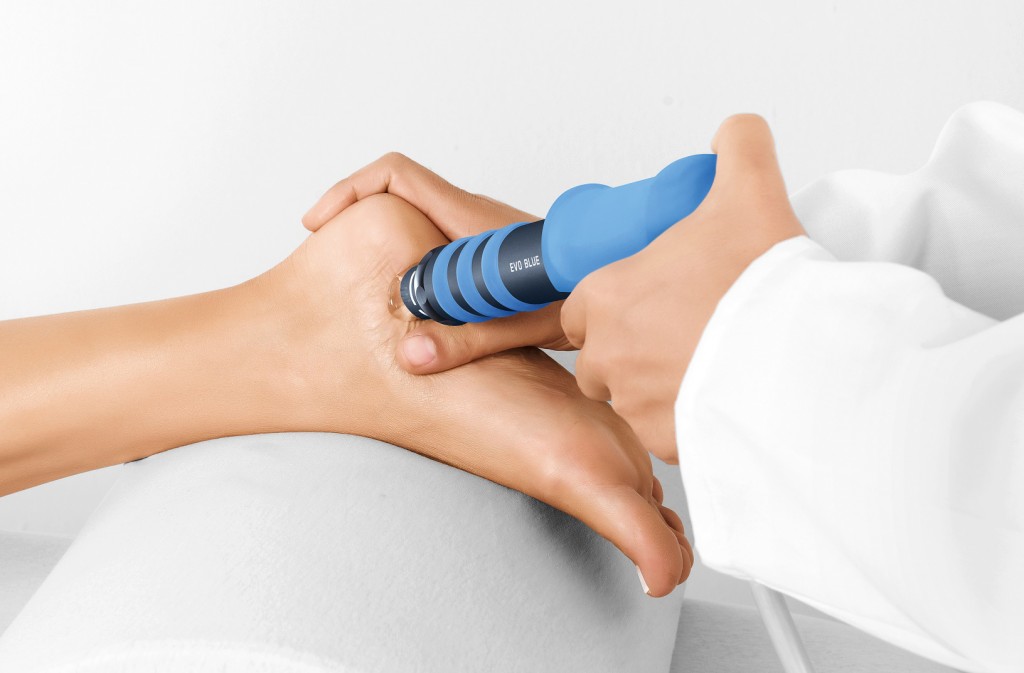
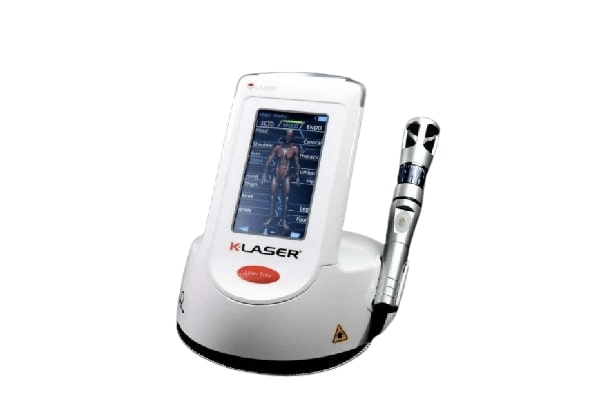
Laser therapy (also called "cold laser") is a new, exciting technology which has been proven to be remarkably safe, painless, and effective in treating both acute injuries and chronic pain of various kinds. It is especially effective in treating carpal tunnel syndrome, and other potentially stubborn, persistent, and "difficult-to-treat" conditions, including back pain, neck pain, arthritis, TMJ, plantar fasciitis, and other joint and muscle pains.

Conditions treated with cold laser therapy

General

  • repetitive stress injury
  • carpal tunnel syndrome
  • rotator cuff tear
  • epicondylitis
  • fibromyalgia
  • reflex sympathetic dystrophy
  • temporo-mandibular joint dysfunction

Injuries

  • ligament and tendon tears
  • fractures with associated soft tissue injuries
  • facet joint syndrome
  • bulging and herniated discs
  • contusions

Inflammatory

  • tendonitis
  • myositis
  • synovitis
  • bursitis
  • plantar fasciitis
  • rheumatoid arthritis

Safety

Low level laser therapy is not harmful. Lasers used for tissue stimulation have insufficient strength to damage cells. 30 years of clinical studies and clinical use have shown no adverse effects whatsoever.

The Advantages Of Low Intensity Laser Therapy

  • Non-invasive
  • Non-toxic
  • Easily applied
  • Highly effective
  • Cure rate > 95%
  • No known negative side effects

Mechanism of Action

Therapeutic lasers work by supplying energy to the body in the form of photons of light. The tissues and cells then absorb this energy, where it is used to accelerate the normal rate of tissue healing.

Therapeutic Benefits of Laser Therapy:

  • Anti-inflammatory Action: Laser light reduces swelling, leading to decreased pain, less stiffness, and a faster return to normal joint and muscle function.
  • Rapid Cell Growth: Laser light accelerates cellular reproduction and growth.
  • Faster Wound Healing: Laser light stimulates fibroblast development and accelerates collagen synthesis in damaged tissue.
  • Reduced Fibrous Tissue Formation: Laser light reduces formation of scar tissue, leading to more complete healing, with less chance of weakness and re-injury later.
  • Increased Vascular Activity: Laser light increases blood flow to the injured area.
  • Stimulated Nerve Function: Laser light speeds nerve cell processes which may decrease pain and numbness associated with nerve-related conditions.

Frequency of Treatments

While some patients get immediate results, others require 6-10 treatments before seeing a lasting effect. Less severe or acute injuries will require fewer treatments than chronic or severe conditions.

Different Treatment of Sciatica Include.

Physical therapy. For a herniated disk, physical therapy can play a role in your recovery. Once acute pain is reduced and range of movement improves a physical therapist or Chiropractor can design a rehabilitation program to help prevent further injuries.

Rehabilitation includes exercises to help correct your posture, strengthen the muscles supporting your back and improve your flexibility. Physical therapy, exercises should be Started as early as possible.

Prescription drugs. Doctors may prescribe an anti-inflammatory medication along with a muscle relaxant. Narcotics also may be prescribed for short-term pain relief. Antidepressants and anticonvulsant drugs can be used in easing chronic pain. They may help by blocking pain messages to the brain or by enhancing the production of endorphins, the body's natural painkillers.

More invasive treatment

Epidural steroid injections. In some cases, doctors may inject a corticosteroid medication into the affected area. Corticosteroids mimic the effects of the hormones cortisone and hydrocortisone, which are made by the outer layer (cortex) of your adrenal glands, Corticosteroids suppress inflammation around the irritated nerve thus giving pain relieve.

Their usefulness in treating sciatica remains a matter of debate. Some research has found that corticosteroids can provide short-term symptom relief, but that these medications aren't a long-term solution. In addition, corticosteroids can have side effects, so the number of injections you can receive is limited usually no more than four per joint.

Surgery. This is usually occurs when the compressed nerve causes significant weakness, bowel or bladder incontinence, (when this occurs seek medical advice urgently) or you have pain that gets progressively worse or does not improve.

Surgical options include lumbar laminectomy and microdiskectomy. In lumbar laminectomy with diskectomy, surgeons remove a portion of a herniated disk that's pressing on a nerve. Most of the disk is left intact to preserve as much of the normal anatomy as possible. Sometimes a surgeon will perform this operation through a small incision while looking through a microscope (microdiskectomy).

Success rates of standard diskectomy and microdiskectomy are about equal, but you may have less pain and recover more quickly with microdiskectomy. Discuss which option might be best for you with your doctor, and carefully weigh the potential benefits of surgery against the risks as surgery is not always successful (Always get a second opinion).

Prevention

Exercise regularly. This is the most important thing you can do for your overall health as well as for your back. Pay attention to your core muscles the muscles in your abdomen and lower back that are essential for proper posture and alignment. For cardiovascular benefits, try using a exercise bike or treadmill. Swimming is also recommended.

Maintain proper posture when you sit. A good chair should comfortably support your hips, and the seat should not press on the back of your thighs or knees. If the chair does not support the natural curve in your lower spine, place a rolled towel or pillow behind your back.

When working at a computer, adjust your chair so that your feet are flat on the floor and your arms rest on your desk or the chair's arms, with your elbows bent at a right angle. Take frequent breaks every 20 minutes, even if it's just to walk around your office a little stretching will also help.

Driving, before setting off adjust your seat to keep your knees and hips level, and move the seat forward to avoid overreaching for the pedals.

Using body mechanics. Being aware of how you stand and lift heavy objects and even how you sleep can go a long way toward keeping your back healthy. That's because poor posture stresses your back, leading to fatigue and stress on joints and nerves. Always hold reading material at eye level instead of bending forward, and if you're standing for long periods rest one foot on a raised object about the height of a foot stool.

Before you lift something heavy, decide where you'll place it and how you'll get it from A to B. Bend at your knees, not your back, so that your legs do the lifting. Carry objects close to your body at about waist level. If possible, set the object down on a surface between shoulder and knee height to avoid lifting objects over your head or bending over too far. Don't twist at your waist. Instead turn by pivoting your feet.

Be careful moving heavy things when you become tired, Tiredness can cause you to move more awkwardly than normal. Heavy loads are the greatest risk to your spine, so know your limitations. Don't attempt to lift something that is beyond your normal ability.

Try the following measures:

Cold packs

Initially, using cold packs may be able to reduce inflammation and relieve discomfort. Wrap an ice pack in a thin towel and apply to the painful areas for 15 to 20 minutes at least 7 times a daily.

Stretching

Stretching exercises for your low back can help you feel better and may help relieve nerve root compression. Avoid or sudden movements and twisting during the stretch and try to hold the stretch as long as possible. Around 40 seconds per stretch if possible.

Medications

Pain killers (analgesics) fall into two categories those that reduce pain and inflammation and those that only treat pain. Nonsteroidal anti-inflammatory drugs (NSAIDs), such as ibuprofen, and acetaminophen (Tylenol,) will be helpful for sciatica.

Although they provide real relief, both types of medication have a limit to how much pain they can reduce. If you have moderate to severe pain, exceeding the recommended dosage will not provide any additional benefits. In addition NSAIDs can cause side effects such as nausea, stomach bleeding or ulcers, and acetaminophen can cause liver problems.

If you're using these medications, you should talk to your GP so that you can be monitored for any arising problems. Periodically reassess whether you still need drug treatment or not. Exercise, stretching, massage and other none drug treatments can often provide the same benefits without side effects.

Regular exercise

It may seem counterintuitive to exercise when you're in pain, but regular exercise is one of the best ways to combat chronic discomfort. Exercise prompts your body to release endorphins chemicals that prevent pain signals from reaching your brain. Exercise in moderation.

In the early stages of sciatica, swimming or other low-impact exercise such as an exercising bicycle will help you stay active without worsening your symptoms. Later, as you improve and the pain becomes less combining aerobic activity with strength training and core stability exercises that improve the strength of your back muscles can help limit the effects of degenerative changes in your spine.

Start out slowly and progress to at least 45 minutes ever day. To prevent further injury, learn proper lifting techniques.

Opening Hours

  • Mon 8.00am - 7.30pm
  • Tue 8.00am - 7.30pm
  • Wed 8.00am - 7.30pm
  • Thu 8.00am - 7.30pm
  • Fri 8.00am - 6.00pm
  • Sat 9.00am - 1.00pm

Latest News & Articles

Severe Neck Pain Causes Warwickshire

Due to an inherent weakness in the area, neck pain can be one of the...

2 September 2010 | Read Article »

Cure Upper Back Pain Warwickshire

This latest news post discusses the treatments the Central Chiropractic Clinic provide to help cure...

18 August 2010 | Read Article »