
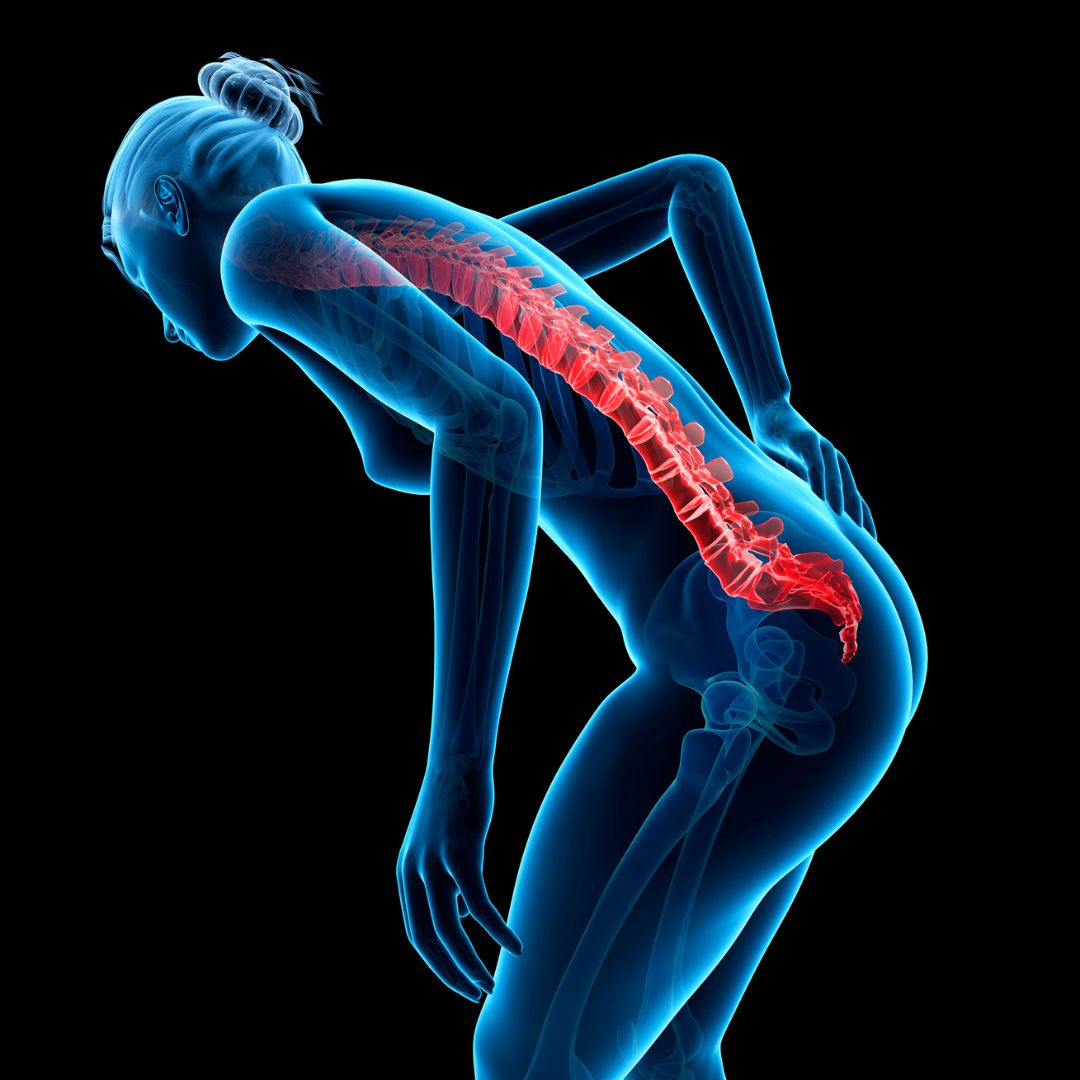
Piriformis Syndrome causes pain in the buttock, which may radiate down the leg. It is due to the sciatic nerve being impinged by a tight piriformis muscle deep in the buttocks.
What causes Piriformis Syndrome?
The causes of Piriformis Syndrome are unknown. Some causes include:
- Muscle spasm in the piriformis muscle – this is either because of irritation in the piriformis muscle itself, or irritation of a nearby structure such as the sacroiliac joint or hip
- A tight muscle – this can be a response to injury or spasm
- Inflammation of the piriformis muscle – in this case, it’s often a response to injury or spasm
- Bleeding – this can happen around the piriformis muscle
Piriformis Syndrome is a condition in which the piriformis muscle, which is in both buttocks, causes spasms and buttock pain. The piriformis muscle can also irritate the sciatic nerve, causing pain, numbness and tingling down the back of the legs and sometimes into the feet.
Learn more about Piriformis Syndrome
What are the symptoms of Piriformis Syndrome?
The symptoms of Piriformis Syndrome are:
- Pain in the buttock muscles
- Pain that radiates down the back of the legs into the hamstring muscles and even into the calf muscles
- Pain that’s initially confused with a hamstring strain or hamstring tendinopathy, despite there being no pain when touching around the hamstring area
- Reduced range of motion of the hip joint, especially into internal hip rotation
What is the anatomy of the piriformis muscle?
The piriformis muscle is one of the small muscles deep in the buttocks that rotates the leg outwards. It runs from the sacrum at the bottom of the spine and attaches to the thigh bone, or femur, near the outer crease of the buttocks. The sciatic nerve runs very close to this muscle, and in around 12% of the population, it passes straight through the muscle fibres. If the piriformis muscle becomes tight, it can compress the sciatic nerve and cause pain which can radiate down the leg, commonly known as sciatica.
It has been suggested that this condition would be better referred to as piriformis impingement due to the impingement of the sciatic nerve. A common cause of piriformis syndrome is tight adductor muscles on the inside of the thigh. This means the abductors on the outside cannot work properly and so put more strain on the piriformis muscle.
How can Piriformis Syndrome be treated?
Treatment consists of two phases. First, reducing pain by relaxing the muscle through low-level laser therapy, shockwave therapy and chiropractic treatment, including physiotherapy. Secondly, strengthening exercises can be performed to help prevent the injury from recurring whilst gradually returning to full training levels.
If you’re looking for Piriformis Syndrome treatment, then we can help you here at Central Chiropractic Clinic. We have a team of experienced professionals at the helm of our operations, so you can rest assured that you’re in the best possible hands when undergoing Piriformis Syndrome treatment with us.
If you would like further information about our Piriformis Syndrome treatment, then get in touch with a member of our friendly, specialist team today – we’re always pleased to hear from you.